
Numerous surveys and studies have found that special education fields face unique challenges that lead to high burnout and high turnover rates among educators. As this special education teacher shortage garners national attention and concern, George Mason University educators are building a new pathway toward a solution.

George Mason and co-collaborators Auburn University and University of Oklahoma received $3.7 million from the Office of Special Education Programs within the U.S. Department of Education for Project Training special edUcatoRs To Lead with Evidence and Support (TURTLES). The project aims to tackle national and state-identified shortages in special education personnel by providing funding to doctoral students in special education leadership in exchange for dedicated service in the field of special education.
The curriculum for the Project TURTLES cohort is based on both traditional leadership skill-building and evidence-based practices, so graduates can effectively evaluate their schools’ special education programs and provide critical support to their students, teachers, and students’ parents.
“We want them to have a deep knowledge of special education policy and practice and a strong methodological base so they can engage with research to make well-informed decisions,” said Sheri Berkeley, professor of special education in the College of Education and Human Development and co-Project Director (PD) of the grant.
Collaboration is a major component of that. The project brings together three R1 universities to share expertise, networks, and research; eight scholars at each university will receive funding. There are plans for cross-site activities among the partnering universities, such as colloquiums, courses, and conference attendance where students will have a chance to meet.
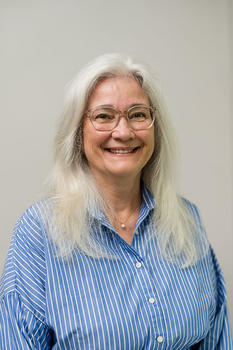
“It gives our students an opportunity to have a much larger network than just within George Mason,” said Pamela Williamson, associate professor of special education and co-PD. “Having that broader perspective of how different states approach special education is huge.”
George Mason is nestled amidst some of the country’s largest school districts, with access to urban, suburban, and rural regions that give students access and exposure to a breadth of school environments. “We’re a perfect place for a grant like this,” said Berkeley.
While full funding through Project TURTLES comes with parameters—specifically, for every one year of funding, recipients commit to two years of working in a special education position in the United States—it opens opportunities for dedicated special education leaders. “We’re helping them achieve this degree that they may not be able to afford on their own,” said Berkeley, “and it strengthens their commitment to the field.”
“This funding can be life changing for our students,” said Williamson.
And with support and skills, they hope Project TURTLES will combat the high turnover rates in the field.
“The peer support they’ll gain from the grant cohort as well as George Mason’s network will hopefully follow them into the field,” said Berkeley.
“And if you’re well-prepared, you’re more likely to come to the job with excitement rather than fear, and be able to do so much more good,” added Williamson.
Related news
- March 3, 2026
- February 23, 2026
- February 9, 2026
- February 6, 2026
- January 28, 2026